Smart Steps for Selecting and Managing an HVAC Contractor Partnership
As a homeowner or small business owner, the first decision is scoping the project clearly before engaging bids. Define comfort priorities, square footage served, and any constraints like attic access or electrical capacity. Clarify whether the job involves AC Installation and Repair, Heating Installation and Repair, or both. Document existing equipment age and known issues. This clarity helps contractors assess load requirements and right-size proposals without guesswork that can inflate cost or complexity.
Meanwhile, verify licensing, insurance, and relevant certifications, and then ask how technicians are trained and supervised. Request proof of liability coverage and workers’ compensation, and validate that permits will be pulled when required. A serious contractor explains inspection milestones and code compliance steps. This basic diligence reduces risk during demolition, refrigerant handling, and electrical tie-ins, while signaling a shop that treats safety and documentation as essential parts of the workflow.
Beyond that, compare system design philosophies rather than only brand lists. Ask how they calculate heating and cooling loads, where they plan to place air handlers, and how they will stage return and supply paths. Probe whether Custom Ductwork is proposed to fix static pressure problems or if existing trunks are reused. Good design aligns capacity with envelope conditions, improving comfort, noise levels, and energy use without oversizing that short-cycles and undermines dehumidification.
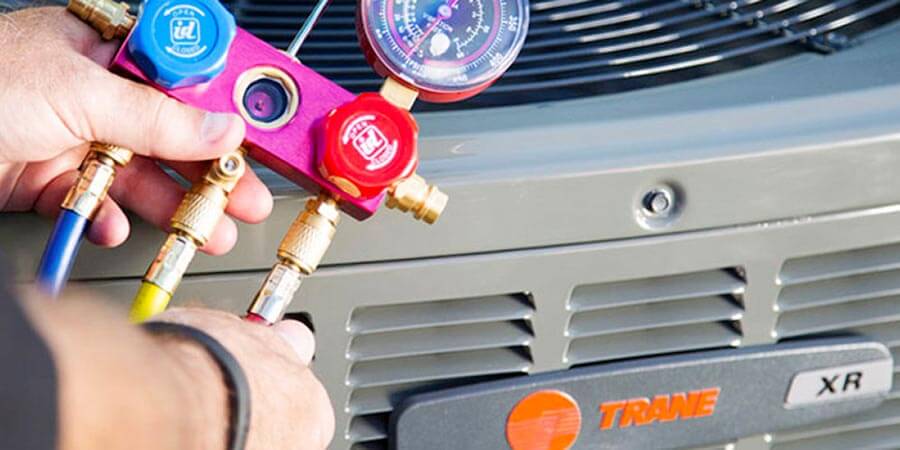
Often, the biggest variable is airflow management. Inspect bids for duct materials, sealing methods, and commissioning steps like duct leakage testing and balancing. Insist that installers document register CFMs and temperature splits. If Ductless AC Installation or Heat Pump Installation is in play, ask about line set routing, condensate management, and defrost performance. Attention to these details prevents rattles, drafts, and performance drift that otherwise appear months after a rushed turnover.
However, lifecycle planning matters as much as day-one performance. Discuss filter sizes, access clearances, and service valves so maintenance is practical. Air Duct Cleaning and coil care should be planned, not reactive. Ask for a maintenance calendar that aligns with warranty requirements. A contractor who sequences start-up, owner training, and follow-up checks sets the system up for long-term stability, easier troubleshooting, and predictable ownership costs over the equipment’s service life.
Then, address controls and integration early. Clarify zoning needs, sensor placement, and Wi‑Fi reliability if smart thermostats are desired. Home Automation can add comfort and insight, but only when thermostats are properly calibrated, schedules are validated, and lockouts are tuned for your climate. Request a brief handoff session with written setpoints, filter sizes, and how to override setbacks during unusual occupancy so you aren’t hunting for basic settings later.
In practice, staging and logistics shape job quality. Ask how crews will protect finishes, buffer noise, and manage debris. Where will condensers and materials be placed, and how will weather be handled during changeouts? A clear sequence—demo, rough-in, pressure test, evacuation, charge, and commissioning—minimizes rework. When everyone understands the order of operations, the project flows, inspections pass cleanly, and the final walkthrough becomes a confirmation rather than a firefight.
Meanwhile, budgeting should include more than equipment line items. Include electrical upgrades, pad and stand requirements, drain pumps, and possible refrigerant line replacement. Validate whether rebates, permits, and disposal are included. Transparent allowances for unforeseen items help maintain trust. If multiple options are presented, ask for a simple matrix summarizing capacity, efficiency tiers, warranty terms, and expected maintenance so tradeoffs can be weighed without marketing noise.
Finally, request documentation that you can keep. Capture model and serial numbers, charging sheets, static pressure readings, and thermostat programming summaries. Keep photos of filter orientations and damper positions. During the first season change, review comfort and utility outcomes and refine setpoints or airflow as needed. A brief post-install check-in allows the contractor to adjust, validate performance, and confirm that the system is meeting real-world demands.
Altogether, a disciplined selection process and a well-managed install yield quieter rooms, steadier temperatures, and easier service down the road. Whether your project is a straightforward HVAC replacement or a phased expansion with new zones, treating design, commissioning, and maintenance as integrated steps leads to fewer surprises. With clear expectations, measured verification, and thoughtful handoff, your investment delivers reliable comfort across seasons.